What’s Next for Transportation Coordination After a Year of COVID-19 Vaccine Access Work.
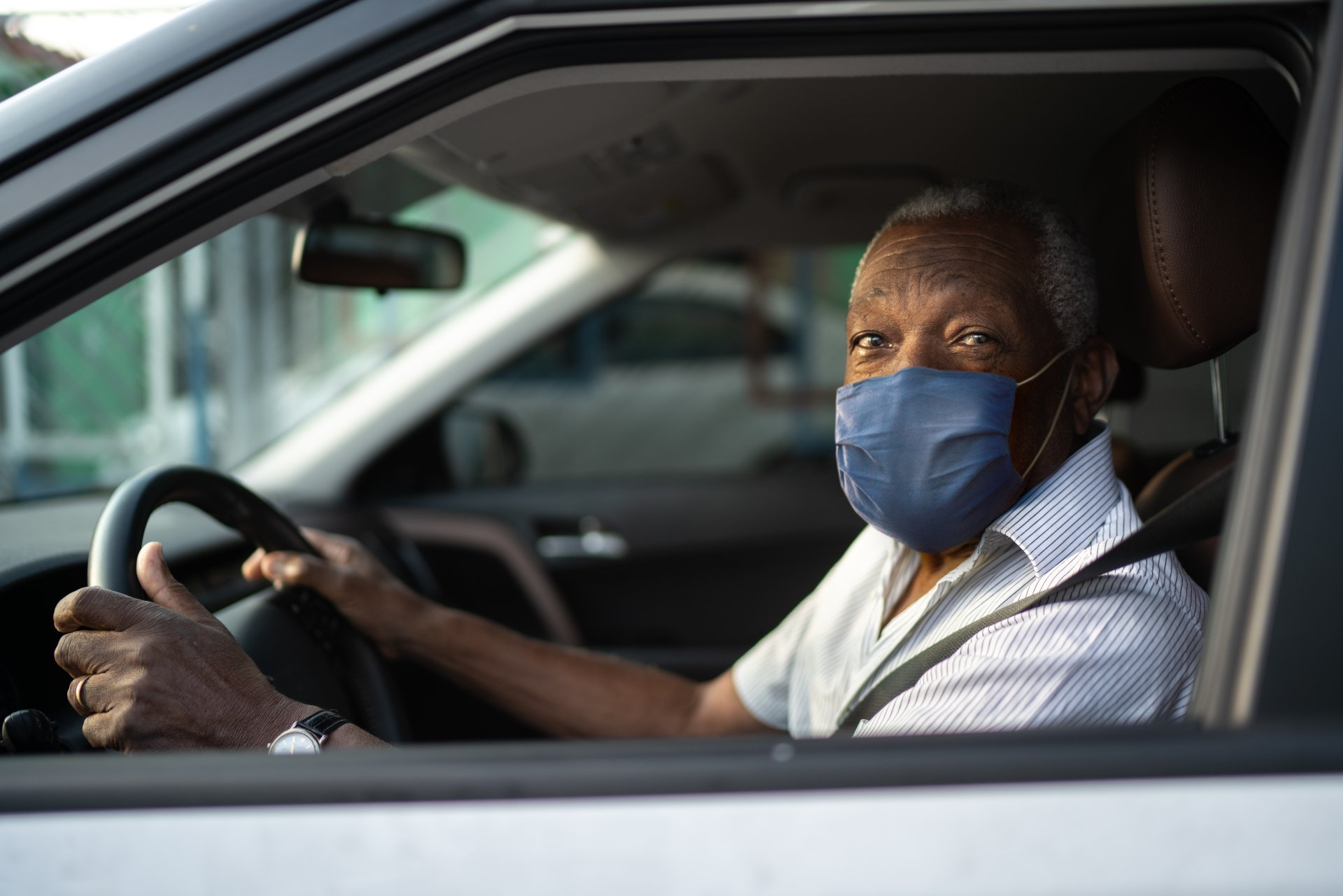
In coordination with the King County COVID Vaccine Mobility Task Force and the Regional Alliance for Resilient and Equitable Transportation, Hopelink has recently put together The COVID-19 Pandemic Response Summary Report detailing action taken by our team and partners to reduce transportation barriers and provide access to COVID-19 vaccines.
The report is available for all to review. It details the Task Force, the Transportation Provider Network (TPN) pilot, and the Coordinated Vaccine Transportation Helpline. This includes data regarding Helpline callers and vaccine trips.
With the close of this year-long project, we wanted to make sure that we took the time to document and digest all the lessons we learned together with our partners. These lessons are:
- Mobility and Transportation Advocates need to connect with decision-makers early in the planning process. Transportation is often an invisible barrier, an invisible resource. The advocacy for reducing barriers and elevating accessible options needs to happen as soon as possible.
- Transportation providers want clarity and to meet the needs of community members. Coordination efforts such as the TPN need to have clear definitions for participants. Partners need to know what they are saying yes to, and the appropriate point-of-contact for each program needs to be bought into the project and its vision.
- There is a strong desire from community members for same-day services. Many of the callers who connected with the Helpline gave less than 36-hour notice and wanted assurance of a ride quickly. The desire for same-day and the quick turnaround limited options and often removed many otherwise well-fitting programs from consideration. The need for long advance notice and strict jurisdictional boundaries frequently presented barriers to connecting a caller to a specialized transportation provider. As the pandemic continued and labor shortages increased, there was a particular constraint on specialized and volunteer transportation providers. Fewer drivers led to a greater reliance on for-profit options.
- All mobilization efforts detailed in this report and their successes were predicated on the existence of strong communication networks. This is perhaps the truest for the situational awareness updates. The King County Task Force was a possibility because of the groundwork laid out by the years of coordination done by King County Mobility Coalition membership and the three-county Regional Alliance for Resilient and Equitable Transportation. In emergency scenarios such as this pandemic, consistent communication is key.
As a next step for this coordination work, project team members will be presenting at the May RARET Workgroup meeting. We will review ridership data and opportunities for future collaboration.
Many of these lessons feed directly into current and future projects, like the Central Puget Sound One-Call/One-Click and RARET’s Emergency Transportation Provider Network, and the continued coordination offered by the King County Mobility Coalition network. These projects, and our coalition, are rooted in coordination and collaboration. While our direct COVID-19 vaccine work is over for now, the work towards a community where people can move freely throughout the region continues.
Mobility News