Improving Access to Cross-County Transportation: How Comprehensive Resource Guides Can Break Down Transportation Barriers
In Collaboration with the North King County Coalition & South King County Coalition
By Manny Mendoza and ʻOhu Kāne
In 2024, the South King County Mobility Coalition (SKCMC) and the North King County Mobility Coalition (NKCMC) partnered on the joint Cross-county Transportation Project to address transportation challenges between King and Pierce counties as well as King and Snohomish counties. This project was based on the findings from NKCMC’s 2023 Cross-county Transportation Needs Between King and Snohomish Counties report, which identified significant gaps in mobility and unmet transportation needs. In response to this report, the 2024 Cross-county Transportation Project aimed to improve access to cross-county transportation information, making it not only more accessible but also easier to navigate and understand.
Based on NKCMC’s 2023 Cross-county Transportation needs between King and Snohomish counties report, the project reveals that there are critical awareness gaps and a significant lack of centralized information that hinder effective mobility across the region. The report’s comprehensive data and interviews show that many community members and service providers are not fully aware of the diverse transit options available—from volunteer and paratransit services to fixed-route and on-demand rides—which ultimately creates confusion and limits access for those who need these services most. In addition, fragmented communication and inconsistent funding compound these issues, making it difficult for users to navigate a system where vital resources are scattered across multiple platforms. These findings drove our recommendation to create comprehensive resource guides—both physical and digital—that consolidate transportation information into a single, accessible hub. Such guides are designed to raise awareness, streamline communication, and ultimately empower communities with the knowledge to overcome cross-county travel barriers.
While the report provided valuable insight into cross-county transportation issues and barriers, our partners and clients’ input were equally instrumental in shaping our understanding of cross-county transportation challenges. Many of the report’s findings aligned closely with what we heard directly from community members and service providers. Clients frequently expressed the need for better streamlined transportation resources and improved awareness about services, ultimately validating our recommendation to develop comprehensive resource guides. By combining data-driven analysis with the feedback we were hearing from the community, we ensured that the content of our resource guides was both practical and reflective of the community’s actual needs.
As mentioned above, we developed two types of resource guides—physical and digital—because our previous work showed that community members face significant information gaps and have diverse access needs. Many users appreciate a tangible, paper-based guide they can reference offline, while others rely on flexibility and in-depth digital resource updates. It’s important to note that these guides are tools to help navigate current cross-county transportation challenges, not a permanent solution. Every six months, resource guides will be updated, as well as any service providers that reach with new updates. To ensure the information remains accurate and useful.
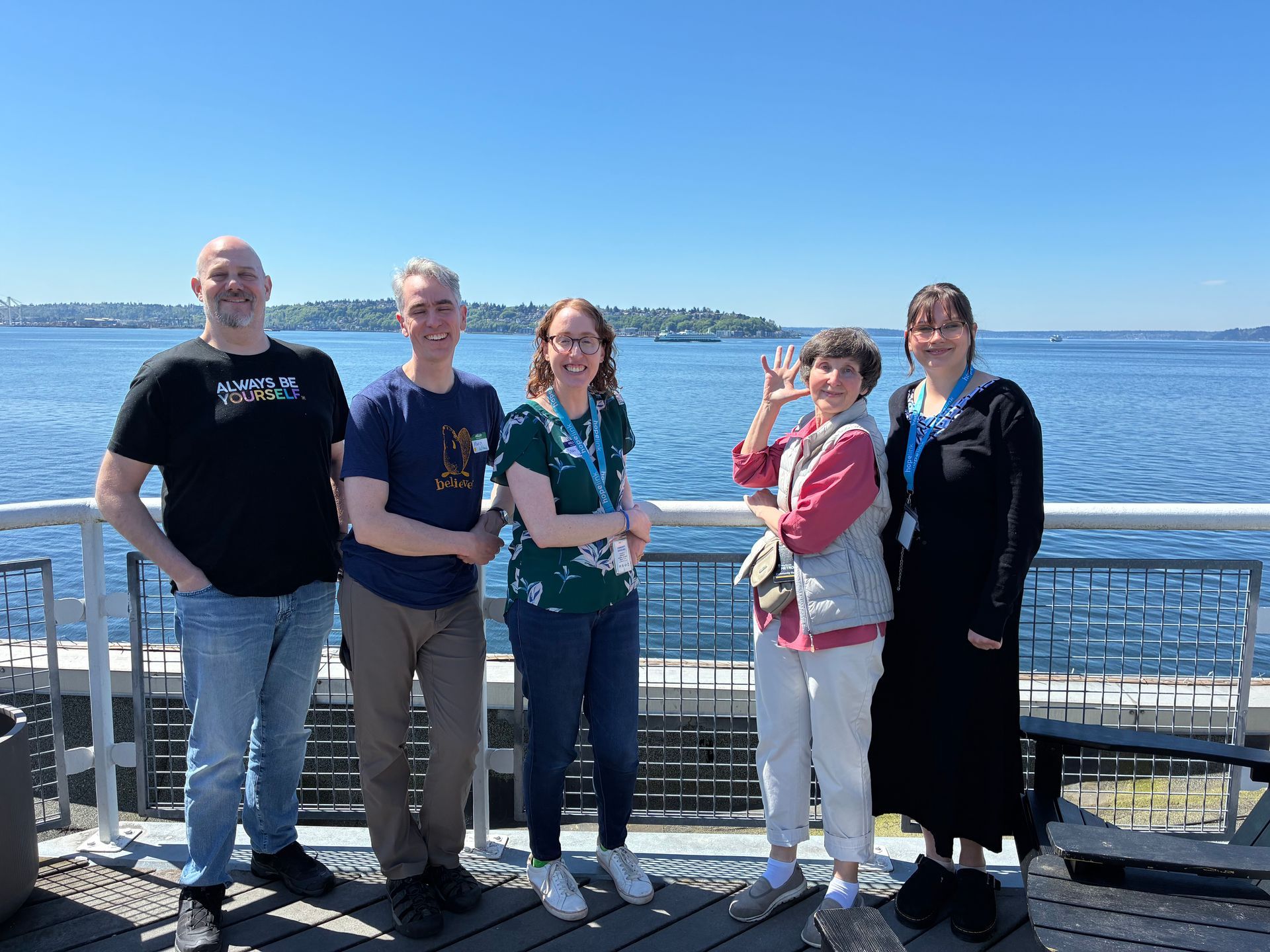
This project was truly a collaborative effort, made possible by SKCMC and NKCMC’s incredible partners, our dedicated regional service providers, and the fantastic Find a Ride team! Through bimonthly meetings and one-on-one conversations, our coalition partners shared their insights and constructive feedback that helped shape every part of this project. Their commitment to this project ensured that the community has access to clear, accurate, and user-friendly cross-county transportation information.
Our regional transportation service providers also played a crucial role, helping us verify details and ensure that the information we shared was both accurate and useful for all riders, regardless of their mobility needs. A special thank you to our Find a Ride team for their instrumental support—whether it was confirming service details, making key introductions, or refining the project’s scope, their contributions were essential to our project success.
This collaboration brought together a diverse group of partners with one shared goal: to make cross-county travel easier and more accessible for everyone. We are incredibly grateful for the teamwork and dedication that made this project possible!
As we reflect on the Cross-county Transportation Project, we are filled with gratitude for everyone who contributed to this effort. This project was more than just creating resource guides—it was a shared commitment to improving mobility, access, and independence for those who need it most. By bringing together coalition partners, service providers, and community voices, we were able to create a resource that truly reflects the needs of the people it serves.
While these resource guides are an important tool and step forward, we know that cross-county transportation challenges are ongoing. This work does not end here. We remain committed to updating and refining these guides, continuing with our partners, and advocating for solutions that make transportation more seamless and equitable.
On behalf of SKCMC and NKCMC, thank you to everyone that played a role in this project. Your voice, collaboration, and dedication have made a real impact, and we look forward to building on this momentum together. With continued partnership and community support, we can keep breaking down barriers and making ALL travel easier for all.
Check out our resource guides here:
Mobility News