Winter 2025 Preparedness
Regional Alliance for Resilient and Equitable Transportation (RARET) recommendations for Puget Sound mobility management.
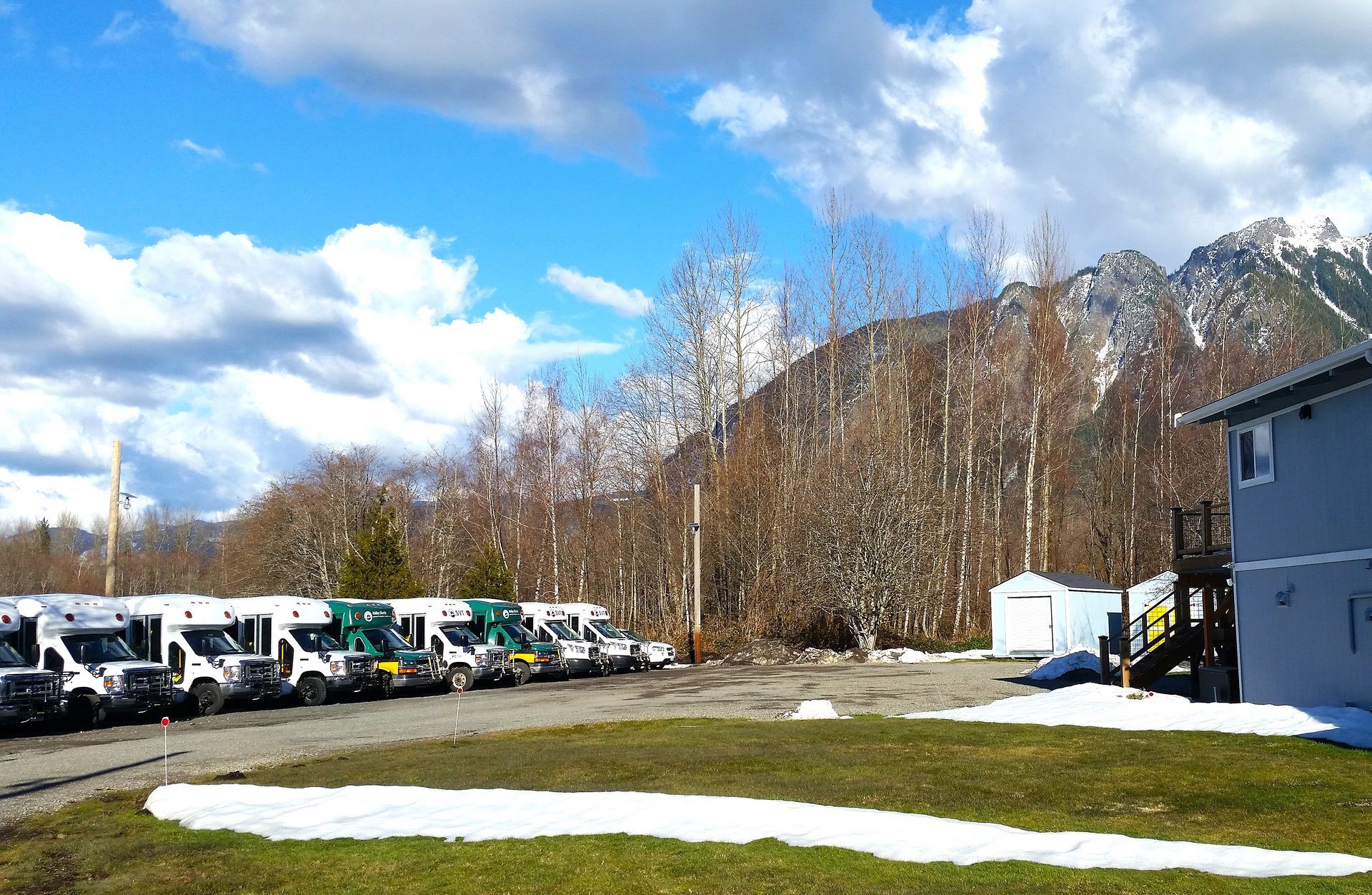
While our region has yet to have a widespread snow alert come our way, the mountain snow, cold temperatures, and frequent precipitation make it a good time for RARET to share our unofficial Winter 2025 Preparedness resource list with you.
As this blog post is on the early side, you may encounter a resource from last year. Subscribe to RARET emails to be provided with up-to-date information as it becomes available!
Critical Winter Resources
- General Winter Preparedness: Ready.gov
- Winter Driving: RARET & WSDOT
- Snohomish County: Response, Shelters, and Alerts
- King County: Resources, Shelters, and Alerts
- Pierce County: Resources, Shelters, and Alerts
When it comes to transportation in winter weather, individual agencies will have their own responses.
- Subscribe to transit alerts. During snow and ice conditions, a transit service may be among the first on the scene of hazardous conditions; accordingly, these alerts can be a valuable tool in building a picture of regional condition.
- Consult the transportation provider's website or call their phone number for the latest updates.
- Social media for transit agencies may also be helpful to bookmark, especially for larger agencies.
Transit Tools & Guides for Winter Conditions
King County MetroWinter.com
Keep an eye out for Snowflake icons on Metro's Service Advisories table; this was rolled out last winter to provide a way for riders to quickly see when a bus switches to its snow route due to roadway conditions. Check back for a 2025 update to the King County Metro Winter Blog (January 2024).
Pierce Transit Extreme Weather Page & Snow Brochure
Pierce Transit has recently launched a new website with improved navigation and expanded accessibility settings.
Community Transit Snow Service
The Community Transit Snow Service page notes that new Snow Routes are coming soon in the post- Sept 2024 service change environment. Riders should leverage the Find My Bus real-time tool so they can see if it is on a snow route and if there are stop closures.
Riders should also reference the following Community Transit guidance:
If your bus stop has a snowflake symbol on the bus stop sign and snow or ice on the ground impacts service, please wait at another stop. A Snow Schedule is when we've identified and "pre-cancelled" certain trips to help us continue providing consistent service. When a bus is on Snow Route, visit Find My Bus to see them on a map in real-time.
Everett Transit Snow Routes & Service
Do NOT use Everett Transit Arrivals during snow routes; it is inaccurate during changing conditions.
Instead, rely on Rider Alerts, updates on the Everett Transit Facebook page, and the customer service number 425-257-7777.
Snoqualmie Valley Transportation Closures
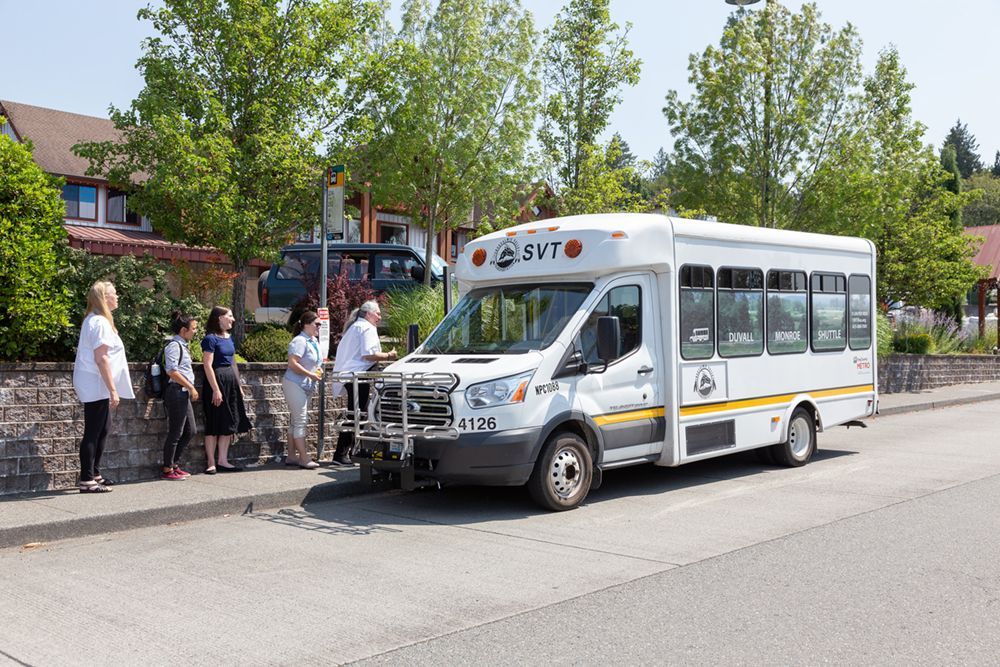
Those who rely on SVT in the Snoqualmie Valley should sign up for Rider Alerts to monitor their route status in winter conditions.
Riders are encouraged to call SVT at 425-888-7001 for updates.
On Fares
The agencies are responsible for setting fare policies during winter weather conditions. Some providers will post a notification on their website or social media feed when allowing zero-fare trips to cold weather shelters. Pierce Transit has done this in the past (example) and Everett Transit staff at a recent Snotrac meeting indicated they would be doing so again this year. Finding information on these policies can vary; the news feed on the Pierce Transit website is what we use to see any updates on their service, and the Everett Transit Facebook page is where we look for updates from them. If there is any confusion, reaching out to a service's customer service number is a good step. For those in King County, historically, King County Metro has articulated that fares during winter weather will not be a barrier to folks getting to places like cold weather shelters. Rider alerts, social media, agency websites, and customer service telephone lines are all methods of keeping up with fare policy changes as the winter progresses.
Community Transit has a policy of zero fare rides to cold weather shelters when those shelters are open. Riders need to declare those shelters as their intended destinations during cold weather events
How do I stay safe?
As listed earlier, Ready.gov is a useful stop for general preparedness information. For those who are drivers, also check out the RARET adverse weather driver training resource page. Stay informed by following the notifications from our local NWS office. Make sure you are prepared by building a kit for your home and, if applicable, your vehicle. For folks who utilize wheelchairs as an accessibility device, see the United Spinal Association's winter tips.
As a non-driver:
Situational awareness is doubly essential when planning your travel. You may find yourself outdoors in adverse conditions, so knowing what conditions are ahead of time, the status of your transportation resource and pick-up location, and how conditions could change throughout your travel are all essential to remaining safe. You may leave for a trip during daylight and return at night when conditions are colder and offer lower visibility for you and drivers alike. Living in a car-centric environment can be hazardous for non-drivers in standard conditions, winter's earlier darkness, low traction environments, and rain/snow showers that can further reduce driver visibility, all compounding danger for non-drivers. High visibility clothing, high traction footwear or other traction devices, appropriate layering, and informed trip planning are all helpful for improving your safety in these conditions.
RARET Additional Quick Tips
Postpone travel if possible. Snow and icy conditions in the lowland areas of central Puget Sound do not often last for extended periods. Check the forecasts and see the duration of the adverse weather. If conditions are hazardous for just a short period, consider what travel is non-essential and can be postponed.
Assess your eligibility. Your usual mode of travel may not be a good fit for winter conditions. If you are a person who might be eligible for paratransit services (example: Metro Access) or Medicaid NEMT (example: providers contracted to Hopelink NEMT), utilizing these resources could reduce the hazards one has to engage with in winter weather. Connect with the appropriate services BEFORE winter conditions are too hazardous to ensure you have options when the weather worsens.
Build a network of trusted individuals. Winter weather can throw out unforeseen circumstances, and the fastest way to get the help you need is those closest to you. An individual can prepare and connect to all the services in the world, but if there isn't a neighbor to clear their driveway or sidewalk it might not matter.
***
Learn more about RARET. RARET staff are happy to assist with coordination for non-lifesaving transportation needs during adverse weather.
Any lifesaving transportation requests should be directed to 911.
Mobility News