These Stories Will Help Build Better Transportation Solutions
Introducing the Access to Health and Wellbeing Storymap Project
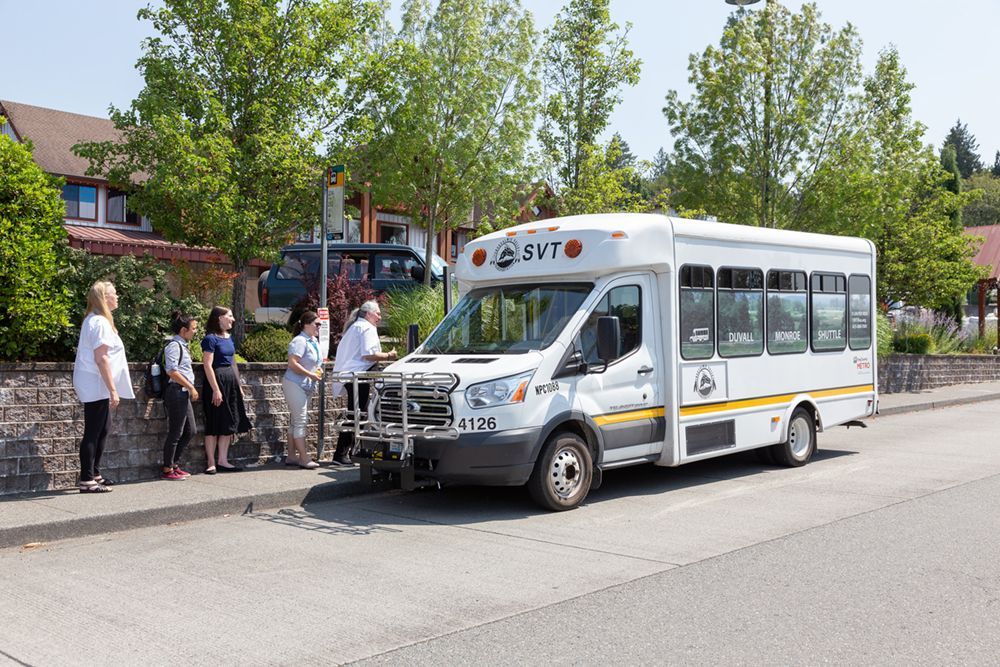
More than one third of people living in the United States are nondrivers.
Accessing healthcare, employment, education, groceries, community activities, and other essential destinations should not depend on whether someone owns or can operate a vehicle. Yet for many King County residents, transportation remains one of the greatest barriers to health, independence, and quality of life.
The Access to Health and Wellbeing Workgroup, a part of the King County Mobility Coalition, is working to change that. Made up of a collaborative group of community members, transportation professionals, healthcare partners, service providers, advocates, and decision makers—including Hopelink’s Mobility Management team—we are united by a common mission:
To improve access to medical care, employment, education, grocery stores, religious services, community engagement, and other essential destinations that support health and wellbeing.
We pursue this mission by educating others, building partnerships, and advocating for solutions that address transportation barriers and service gaps across King County. At the center of our work is a simple belief:
everyone deserves the opportunity to participate fully in their community, regardless of how they travel.
“Transportation is the cornerstone of opening so many doors and avenues,” said Aaron Morrow, a Hopelink board member and disability policy advocate who lives in unincorporated Snohomish County. “It allows me to go to social events, gets me to doctor appointments, and so many other essential services. It’s everything.”
The Access to Health and Wellbeing Workgroup is focused on three key objectives, including:
1. Fostering Meaningful Conversations
We create opportunities for open dialogue among non-drivers, healthcare workers, transportation planners, service providers, and decision makers. Too often, the voices of people facing the greatest transportation barriers are missing from conversations about transportation investments and service design.
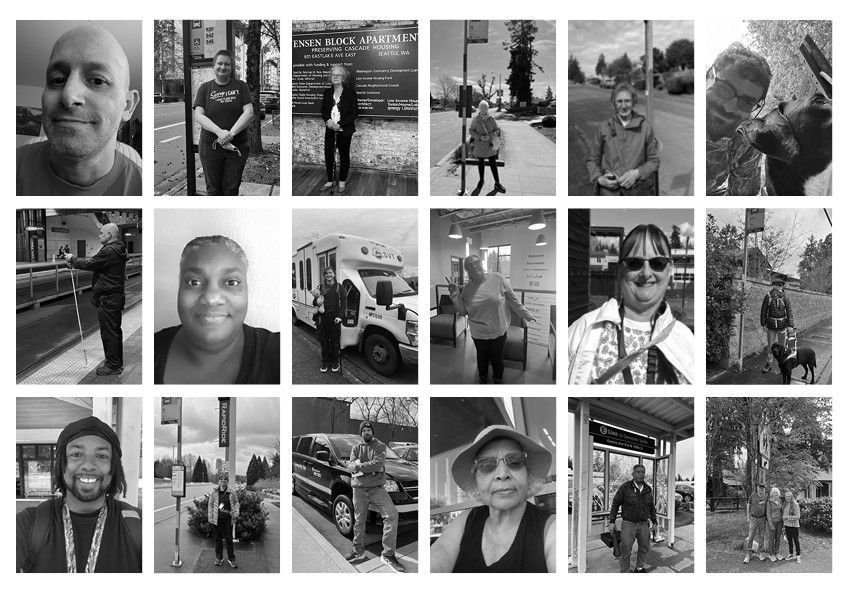
The StoryMap Project—a collection of stories that center the lived experiences of people who encounter the greatest barriers to meeting their transportation needs—seeks to change that.
These conversations help build understanding and ensure that transportation planning reflects the experiences of the people most affected by transportation barriers.
2. Combining Data with Personal Stories
Data can identify transportation trends and challenges, but personal stories bring those numbers to life.
By pairing data with lived experiences, we help stakeholders better understand the real-world impacts of transportation barriers and the challenges faced by people who have the greatest difficulty getting where they need to go.
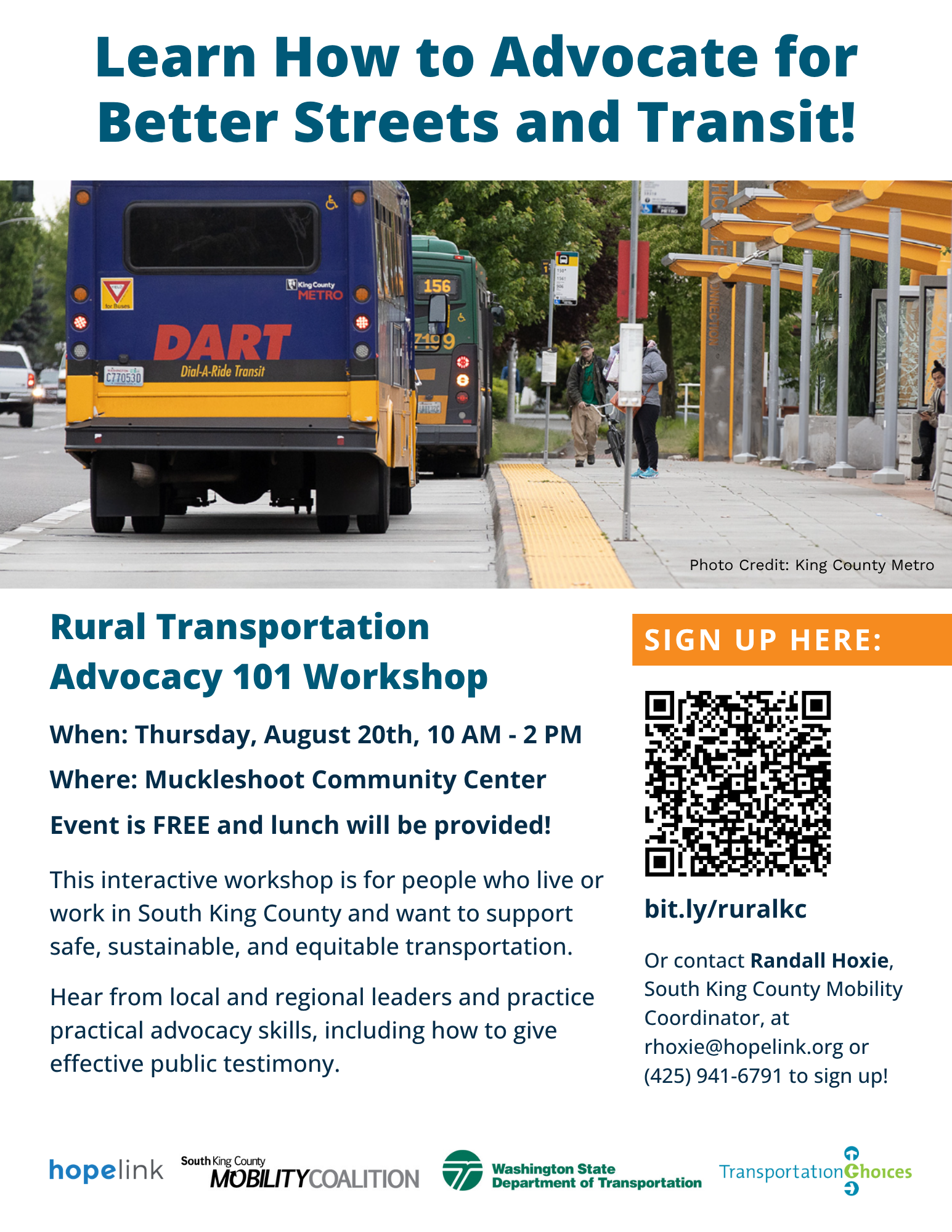
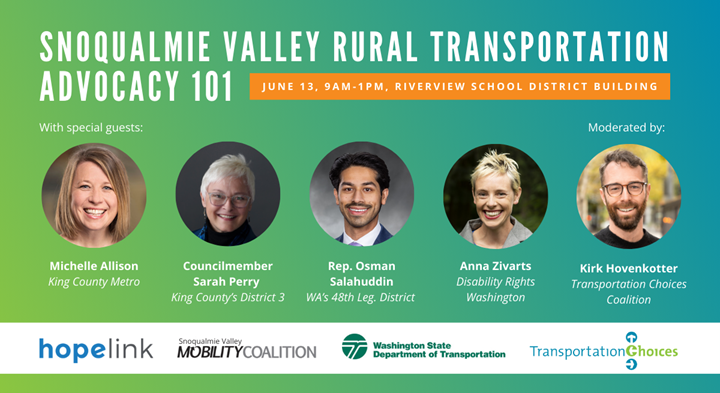
“If you are able to share your story, whether it’s testimony in Olympia or sending an email, personal stories are critical in helping frame why something is important,” Michelle Allison, General Manager at King County Metro Transit, said at a recent Rural Transportation Advocacy Workshop. “We need to put resources toward what is most important. Stories combined with data are how we do that.”
3. Building Better Transportation Solutions Together
We work collaboratively to identify opportunities for improvement, strengthen existing services, and advance innovative solutions that improve access to essential destinations.
Our goal is not only to identify problems but to help create transportation systems that are more inclusive, equitable, and responsive to community needs. The Storymap Project recognizes that the lived experiences of non-drivers are among the most valuable resources available for transportation planning.
Why Stories Matter
A story can illustrate the impact of spending hours on multiple bus routes to attend a medical appointment. It can highlight the challenges of reaching a grocery store without access to a car. It can demonstrate how inaccessible transportation can affect employment opportunities, social connections, and overall wellbeing.
By sharing these experiences, community members become partners in shaping future transportation solutions.
Looking Ahead
The Access to Health and Wellbeing Workgroup believes that transportation planning is strongest when it includes the voices of the people who rely on transportation systems every day.
As the impact of the StoryMap Project continues to grow, we invite community members, partners, and stakeholders to join us in learning from these stories and using them to create meaningful change.
By engaging in advocacy initiatives like Week Without Driving, those who have the option to drive can learn firsthand about barriers and challenges that nondrivers face.
Mobility News